EV charger installation cost
A home EV charger costs about $2,186 on average in Australia, with the charger and a standard installation, on figures updated in February 2026. A wall charger adds 42 to 65 km of range an hour for most cars.
- Average, supplied and installed
- About $2,186
- Range an hour, wall charger
- 42 to 65 km
- Range an hour, power point
- 14 to 21 km
- Average Victorian daily drive
- About 38 km
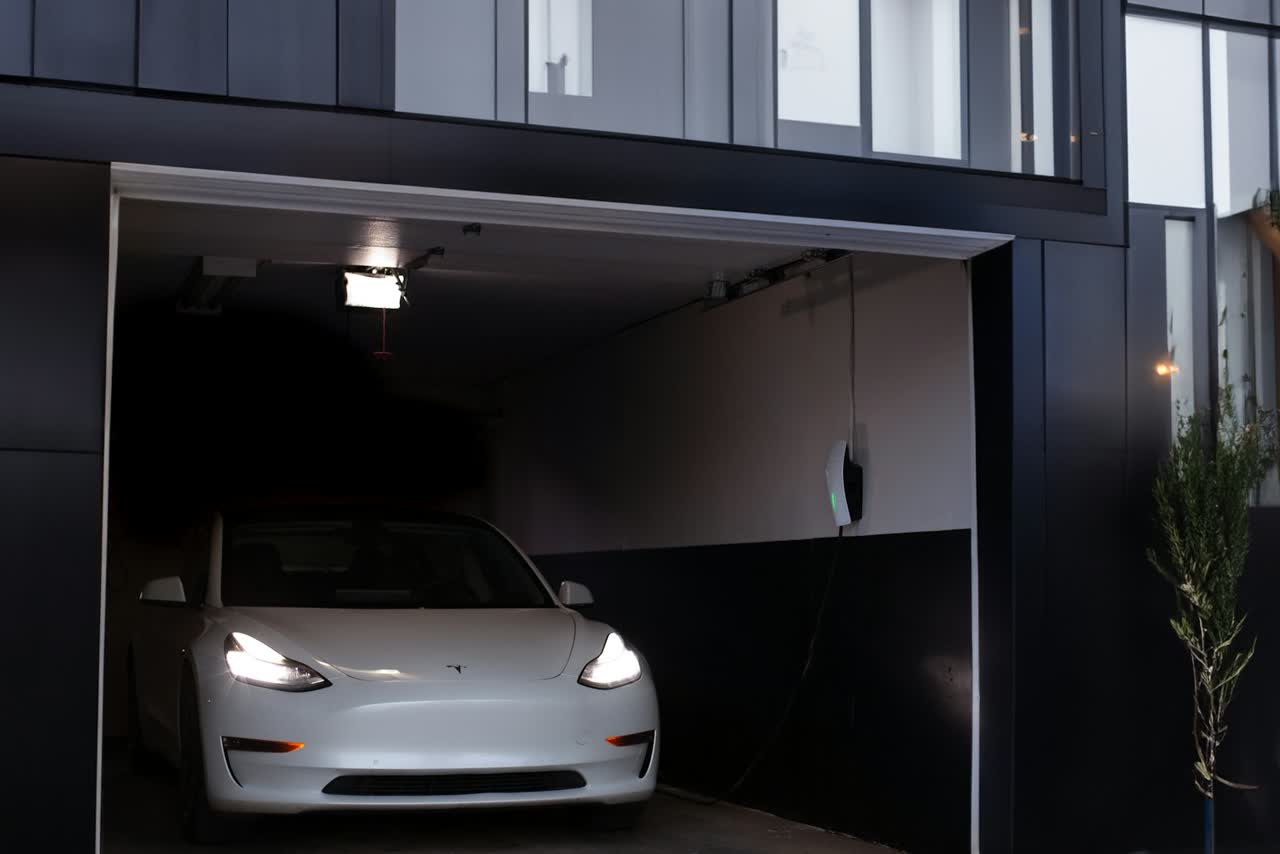
What a home EV charger costs
Solar Choice puts the average home EV charger in Australia at about $2,186, including the unit and a standard installation. Its figures were updated on 6 February 2026.
That price has two parts: the charger and the labour to fit it. Charger prices vary by brand, power and features such as app control or charging from solar. Solar Choice lists an approximate retail price for each model, before installation.
Most houses in Victoria are single phase, according to the Victorian Government, and a wall charger on single-phase power meets most people's daily commute. Upgrading a home to three-phase power costs more.
Your price depends on your switchboard and the distance from it to where you park. A written quote from Winki Energy prices your home. See EV charger installation for what the job involves.
What adds to the price
A wall charger needs its own circuit and a wall box, so it likely means changes to your wiring. The Victorian Government says the total depends on your home's design, how easy the wiring is to reach, and whether the switchboard needs an upgrade. The usual extras are:
- A switchboard that needs an upgrade.
- A long or awkward cable run from the switchboard to where you park.
- Wiring in an older home that needs work first.
- A move from single-phase to three-phase power.
Ask for each of these to be priced on the quote before work starts. If you plan other electrical work, such as moving off gas, the Victorian page suggests upgrading the switchboard and connection at the same time.
Wall charger or power point
A standard power point adds 14 to 21 km of range an hour. A wall charger adds 42 to 65 km an hour for most cars. Both figures come from the Victorian Government, and your car's own charging limit can cap them.
The average Victorian drives about 38 km a day. The Victorian page says 3 to 4 hours on a power point covers that, so a power point can be enough for one car and short trips. A dedicated 15 amp circuit charges about 50% faster than a standard 10 amp one.
A wall charger suits longer daily driving, two cars, or charging in a short window such as the middle of the day.
Charging from solar and free midday power
A car that charges at home in the day can soak up solar you would otherwise export. Power you export may earn very little: see feed-in tariffs in Victoria. Some chargers can follow your solar output. Ask Winki Energy which chargers it quotes for your home.
The Victorian Midday Power Saver gives free power from 11am to 2pm every day from 1 October 2026 to 30 June 2027. You opt in through your retailer and need a smart meter. A wall charger running for those three hours adds about 126 km of range or more (3 hours x 42 km, the low end of the Victorian figure). See the Midday Power Saver.
If you plan to charge from your own panels, a bigger system leaves more to spare. See the 10 kW solar system price.
Common questions
How much does it cost to install an EV charger at home?
About $2,186 on average in Australia with a standard installation, on Solar Choice figures from February 2026. Switchboard work, a long cable run or a move to three-phase power adds to it.
How fast does a wall charger add range?
Between 42 and 65 km of range an hour for most cars, according to the Victorian Government, against 14 to 21 km from a standard power point.
Do I need three-phase power?
Most Victorian houses are single phase, and a wall charger on single-phase power meets most people's daily commute, according to the Victorian Government. Upgrading to three phase costs more.
Can I charge my car for free?
If you opt in to the Midday Power Saver through your retailer and have a smart meter, power from 11am to 2pm is free until 30 June 2027. Your own solar panels can also charge the car in the day.
Sources
- Solar Choice, home EV chargers in Australia, updated 6 February 2026
- Victorian Government, charging your electric vehicle, updated 28 August 2024
- Victorian Government, Midday Power Saver, read 23 November 2026
- Essential Services Commission, minimum feed-in tariff, read 23 November 2026