Solar and battery systems for Victorian homes
A standard 6 kW solar system averaged $5,750 installed in Melbourne on 1 November 2026. From 1 January 2027 a battery added to it gets a federal discount of about $211 a kWh for the first 14 kWh.
- Standard 6 kW solar, installed
- $5,750
- Battery discount, first 14 kWh
- About $211 a kWh
- Victorian panel rebate
- Up to $1,400
- Victorian battery rebate
- None
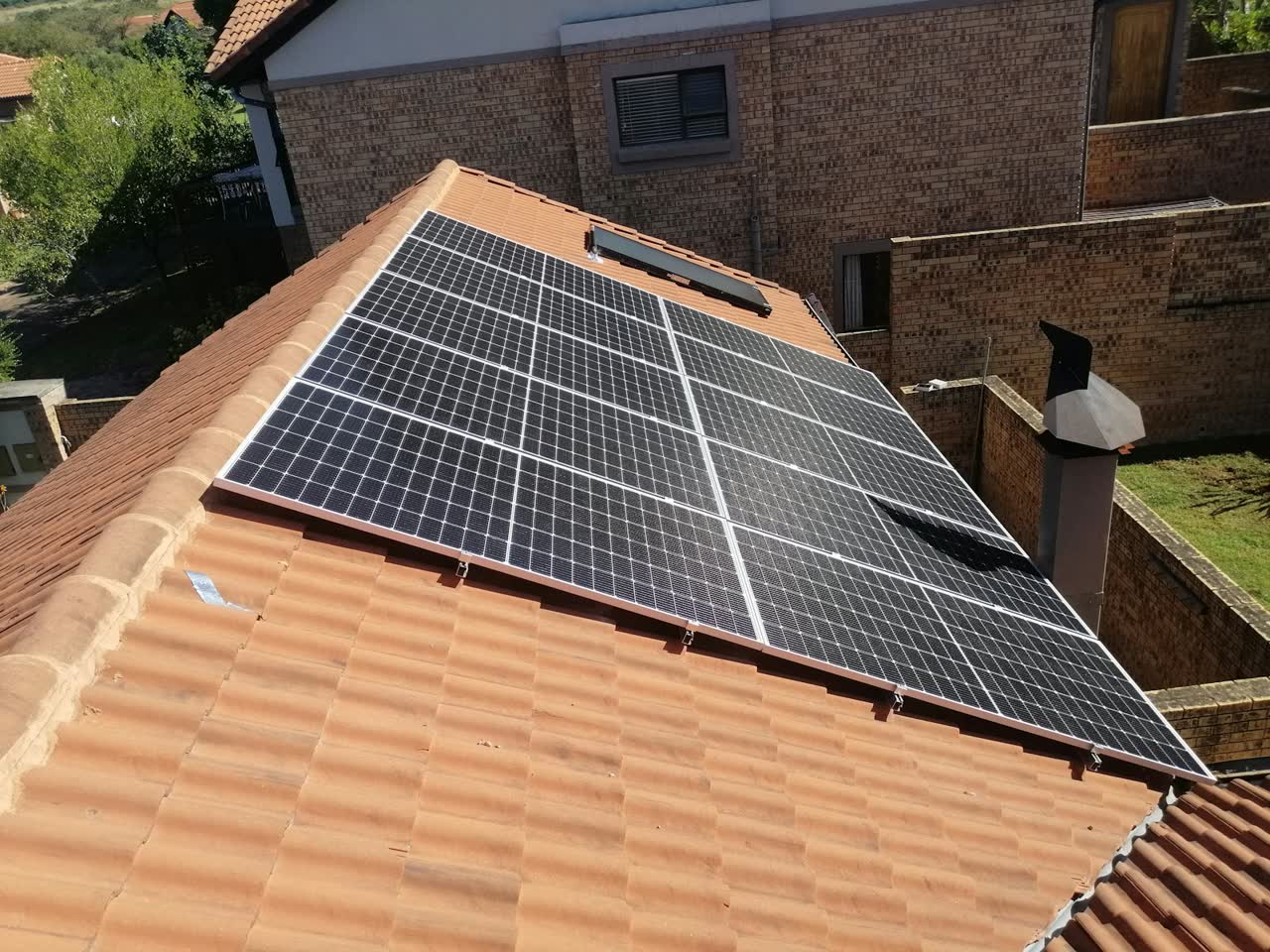
What solar and a battery cost together
A package price is the panel price plus the battery price, less the discount on each. Panel prices come from the Solar Choice index for Melbourne, which already takes off the federal solar discount.
| System | Standard | Premium |
|---|---|---|
| 6 kW | $5,750 | $6,660 |
| 10 kW | $8,870 | $10,330 |
The battery adds its own price, less its own federal discount. On a 13.5 kWh battery that discount is about $2,850 (13.5 x 5.7 certificates x $37) from 1 January 2027. See the solar and battery package price for whole-system figures, and battery cost per kWh for installed battery prices.
Discounts and rebates on each part
| Part | Federal discount | Victorian rebate |
|---|---|---|
| Solar panels | STCs, about a fifth fewer from 1 January 2027 | Solar Homes, up to $1,400, plus an optional loan of up to $1,400 |
| Battery | 5.7 certificates a kWh to 14 kWh, then 60% and 15% tiers | None |
The Solar Homes rebate needs a household income under $150,000 a year, and applications close on 30 June 2027. The battery discount falls again on 1 July 2027 and every six months after that until it ends after 2030. See the Solar Homes rebate and the battery rebate in 2027.
Sizing panels and a battery together
The average new small solar system in Australia was 10.5 kW in the June quarter of 2026, and the average new battery 23 kWh in May and June 2026, according to the Clean Energy Regulator.
A battery stores the solar you don't use in the day, so you need enough panels to fill it as well as run the house. A 10 kW inverter can take up to 13.3 kW of panels, which helps on short winter days. See 10 kW system prices.
Victoria has no minimum feed-in tariff, so power you store and use later is often worth more than power you export. See feed-in tariffs in Victoria and the Midday Power Saver, which offers free grid power in the middle of the day to households who opt in.
Adding a battery to solar you already have
The federal discount applies to batteries connected to new or existing solar. If your panels are already on the roof, the battery may need its own inverter, or a hybrid inverter that replaces the old one. Ask Winki Energy what your current inverter can take.
Winki Energy installs solar and batteries from Torquay and North Melbourne, across Melbourne, Geelong, the Surf Coast and the Bellarine. It is a Sigenergy gold installer. Ask Winki Energy which batteries it quotes for your home.
For the parts on their own, see solar panels and solar batteries.
Common questions
How much do solar and a battery cost?
Add the panel price to the battery price. A standard 6 kW solar system averaged $5,750 installed in Melbourne on 1 November 2026. A 13.5 kWh battery gets a federal discount of about $2,850 from 1 January 2027.
Can I get a rebate on both?
The federal discounts apply to both parts. The Victorian Solar Homes rebate applies to the panels only, and Victoria has no battery rebate.
Should I install both at once?
One installation means one visit and one quote. The battery discount steps down every six months, so waiting on the battery usually means a smaller discount.
Is a bigger battery better?
Above 14 kWh each extra kWh earns 60% of the discount rate, and above 28 kWh only 15%. A battery sized to what your panels make and what you use at night is usually the better buy.
Sources
- Solar Choice, solar power system prices, index of 1 November 2026
- DCCEEW, Cheaper Home Batteries Program, updated 9 June 2026
- Solar Victoria, apply for a solar panel rebate, updated 16 November 2026
- Solar Victoria, solar batteries, read 23 November 2026
- Clean Energy Regulator, Quarterly Carbon Market Report, June quarter 2026, read 23 November 2026